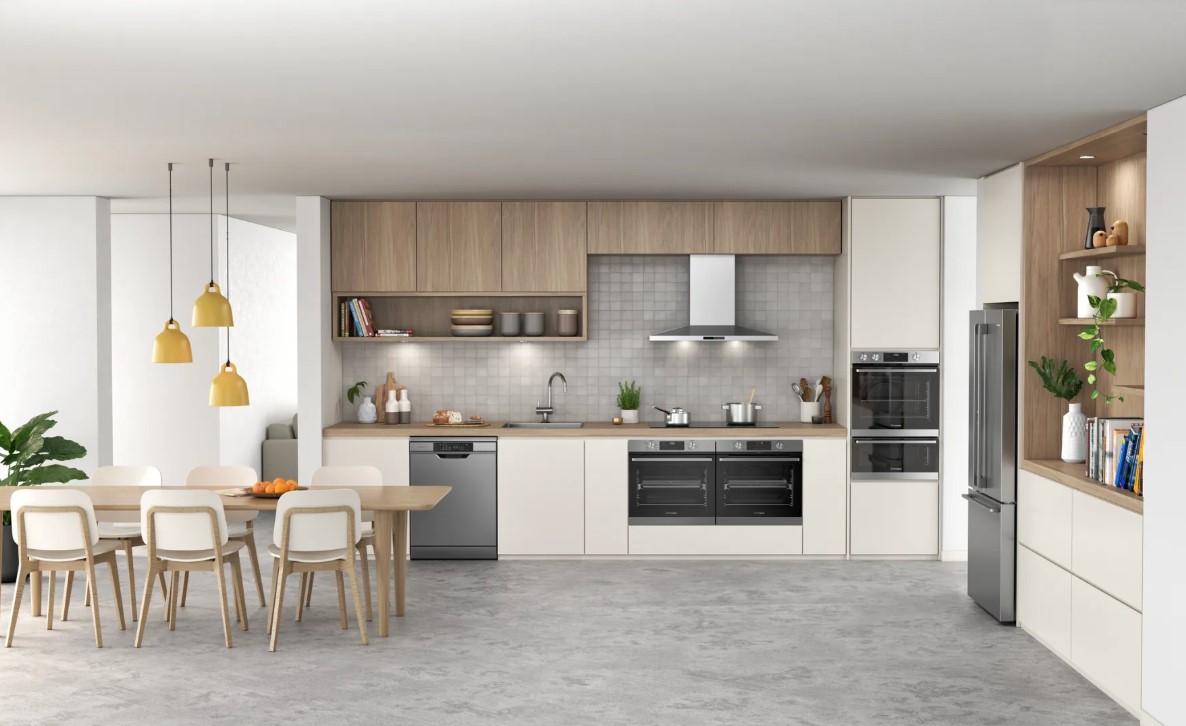
Updating your kitchen can completely transform your home, improving both functionality and style. However, before starting any renovation or upgrade, it is important to think carefully about your needs, budget, and long term goals. Many homeowners focus on appearance first, but a successful kitchen update requires a balance between design, practicality, and durability.
Taking the time to plan properly helps you avoid costly mistakes and ensures that your new kitchen works well for everyday use. From layout decisions to materials and safety features, every detail contributes to the final result.


Consider Layout and Daily Functionality
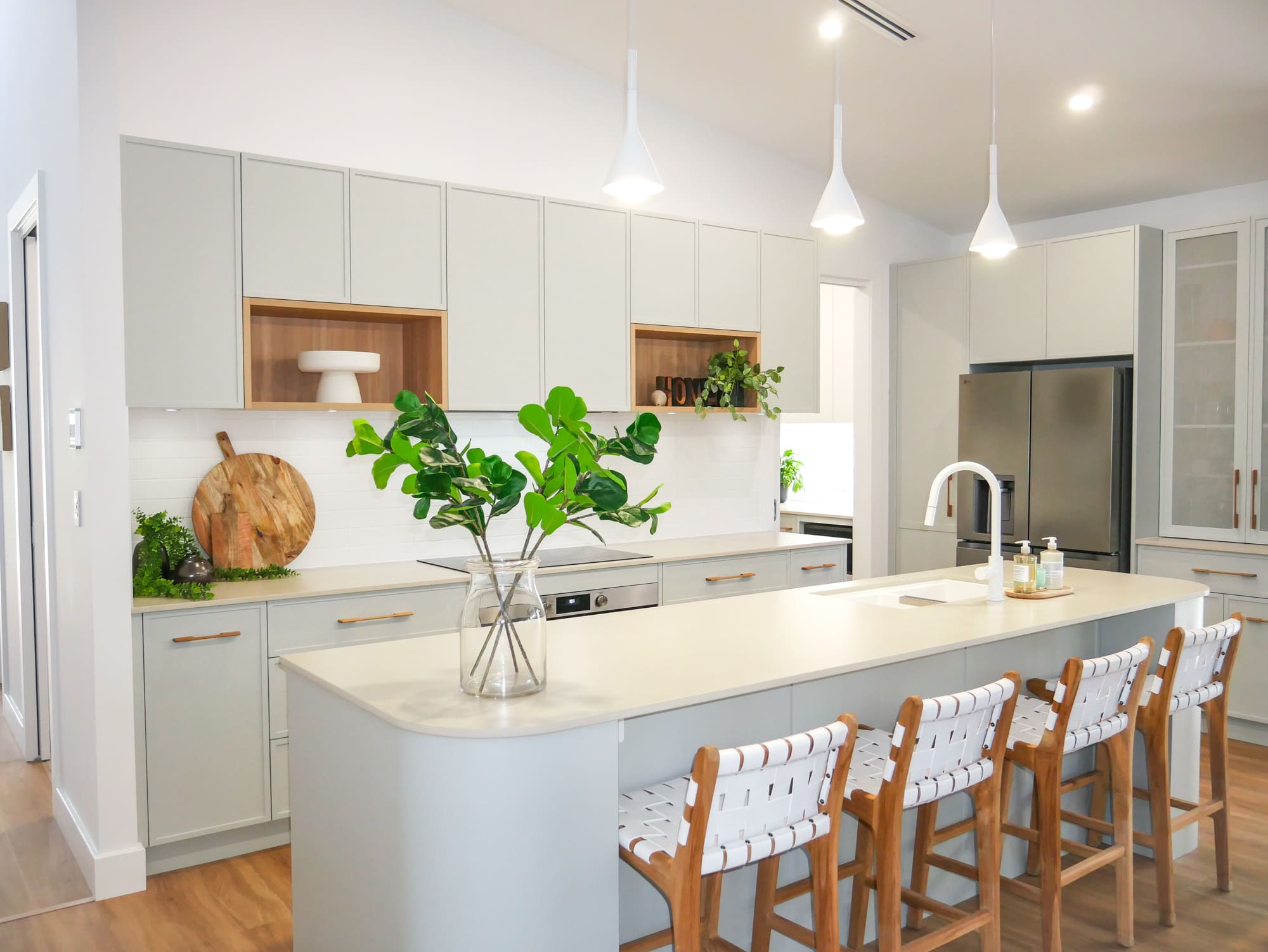
The layout of your kitchen should support how you use the space on a daily basis. Before making any changes, think about how you cook, store items, and move around the room. A well designed layout improves efficiency and makes everyday tasks easier.
Key areas such as the sink, stove, and refrigerator should be positioned in a way that allows smooth movement between them. This reduces unnecessary steps and helps create a more practical working environment.
It is also important to consider storage. Adequate cabinet space, organized drawers, and easy access to frequently used items can make a big difference in how comfortable your kitchen feels.
Choose Materials That Balance Style and Safety

Material selection is one of the most important decisions in any kitchen update. While style is important, durability and safety should not be overlooked. Surfaces need to withstand heat, moisture, and daily wear while remaining easy to clean.
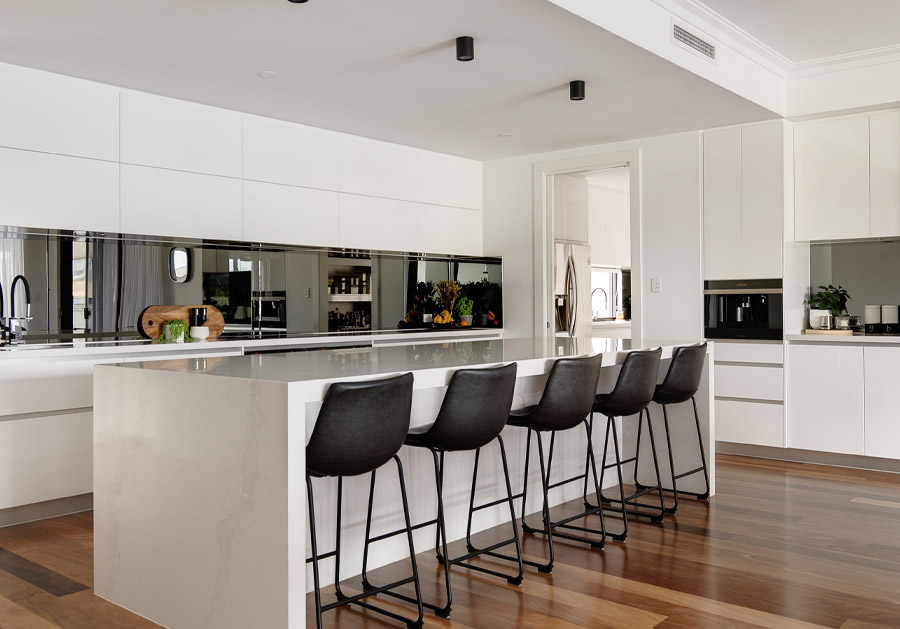
Features such as safety backed mirrors can be a smart addition in certain kitchen designs, especially where reflective surfaces are used. These mirrors include a protective backing that helps prevent shattering, making them a safer option in busy household environments.
Choosing materials that combine strength, safety, and visual appeal ensures that your kitchen remains both attractive and practical over time.
Plan Budget and Long Term Value
Setting a clear budget is essential before starting any kitchen update. It is easy for costs to increase if decisions are made without a plan. Prioritizing key elements such as cabinetry, worktops, and appliances helps you allocate your budget effectively.
It is also important to think about long term value. Investing in quality materials and well designed features may cost more initially but can save money over time by reducing the need for repairs or replacements.
Flexibility should be part of your plan. Unexpected expenses can arise during renovations, so having a small buffer in your budget helps you manage these situations without stress.
Conclusion
Updating your kitchen requires careful planning and thoughtful decisions. By considering layout, choosing materials that balance style and safety, and managing your budget effectively, you can create a space that meets your needs and stands the test of time. A well planned update not only improves the look of your kitchen but also enhances comfort, functionality, and long term value.