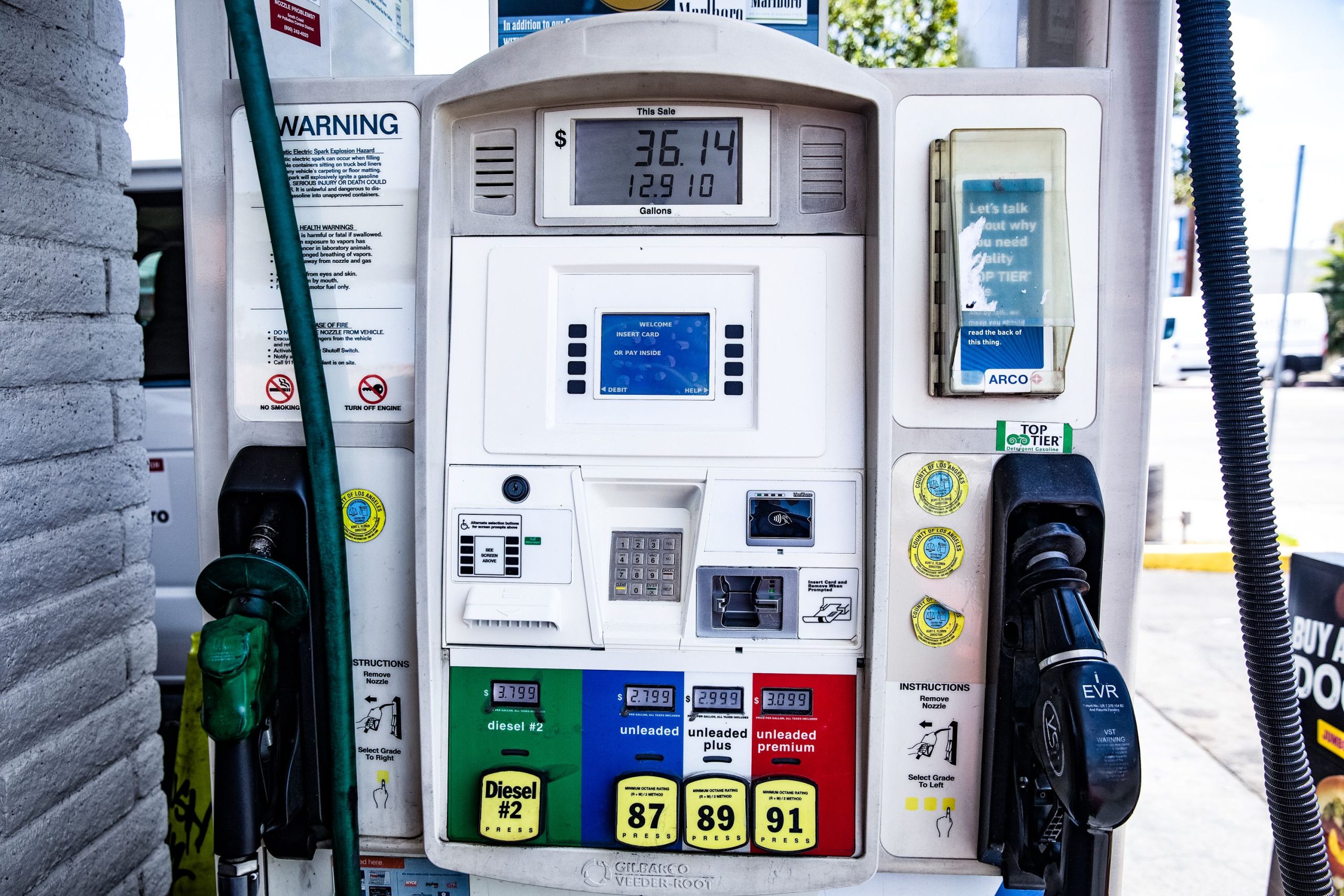
Rising fuel costs are easy to notice because the first impact is visible at the pump. A higher price per litre or gallon raises the cost of commuting, school runs, errands, and business travel. But the economic effect does not stop at the vehicle. Fuel is also an input into freight, agriculture, construction, manufacturing, deliveries, public services, and many other activities.
That is why a fuel-price increase can reach people who drive very little. The cost may appear later in a delivery fee, a grocery bill, a taxi fare, a heating charge, or a company’s decision to delay an investment. The size and timing of the effect depend on the fuel used, the local tax system, the availability of alternatives, and how quickly businesses can adjust.



The first effect is a household budget squeeze
For consumers, the direct calculation is straightforward: fuel price multiplied by the amount consumed. A driver with a long commute, an older vehicle, or limited access to public transport has fewer short-term ways to reduce consumption. That makes a price increase feel less like a discretionary expense and more like a fixed cost.
Households usually respond in stages. Some combine trips, drive more slowly, use public transport, postpone optional journeys, or choose a more efficient vehicle when replacement is financially possible. Others reduce spending elsewhere. The important point is that these adjustments are not equally available to everyone. A household in a dense area with reliable transit has different options from one in a rural area where driving is necessary for work and essential services.
The impact also depends on what fuel represents in the household budget. A small rise may be manageable for a high-income household with low fuel use but difficult for a household that spends a large share of its income on commuting. The effect can also be indirect: if a family spends more on fuel, it has less money available for food, services, recreation, debt repayment, or saving.
What determines the price at the pump?
The retail price of gasoline is not a single market number. The U.S. Energy Information Administration identifies four broad components: crude oil, refining costs and profits, distribution and marketing, and taxes. In its 2025 U.S. annual average, crude oil accounted for 51.7% of the regular gasoline price, while refining costs and profits accounted for 15.0%, distribution and marketing for 15.9%, and taxes for 17.4%.
Those figures describe the United States, not every country, and the proportions change over time. Still, they explain why pump prices can move even when the crude-oil headline does not tell the whole story. Refinery outages, seasonal fuel specifications, local supply conditions, inventory levels, exchange rates, transport costs, and tax changes can all affect the final price.
The EIA also reports that U.S. state gasoline taxes and fees averaged 33.55 cents per gallon in January 2026, alongside a federal gasoline tax of 18.40 cents per gallon. Tax structures differ considerably across countries, so the same change in international oil prices can produce very different changes for local consumers.
Seasonality matters as well. The EIA found that, between 2004 and 2023, the average U.S. retail price for regular gasoline in August was about 40 cents per gallon higher than in January. That difference reflected a combination of stronger seasonal demand and changes in gasoline formulation, rather than one universal rule about what prices must do each year.
Businesses feel fuel costs before customers do
For a business, fuel is often more than a line item labelled “fuel.” It can be embedded in every kilometre driven, every delivery completed, every machine-hour worked, and every shipment moved. A logistics company may buy diesel directly, while a retailer may experience the same increase through a carrier’s revised transport charge.
The first business impact is usually a reduction in operating margin. If a company has fixed prices with customers, it may have to absorb some of the increase temporarily. If it has fuel-adjustment clauses or can renegotiate quickly, more of the cost may be passed through. Neither response is automatic: the result depends on contracts, competition, demand, inventory, and the company’s bargaining position.
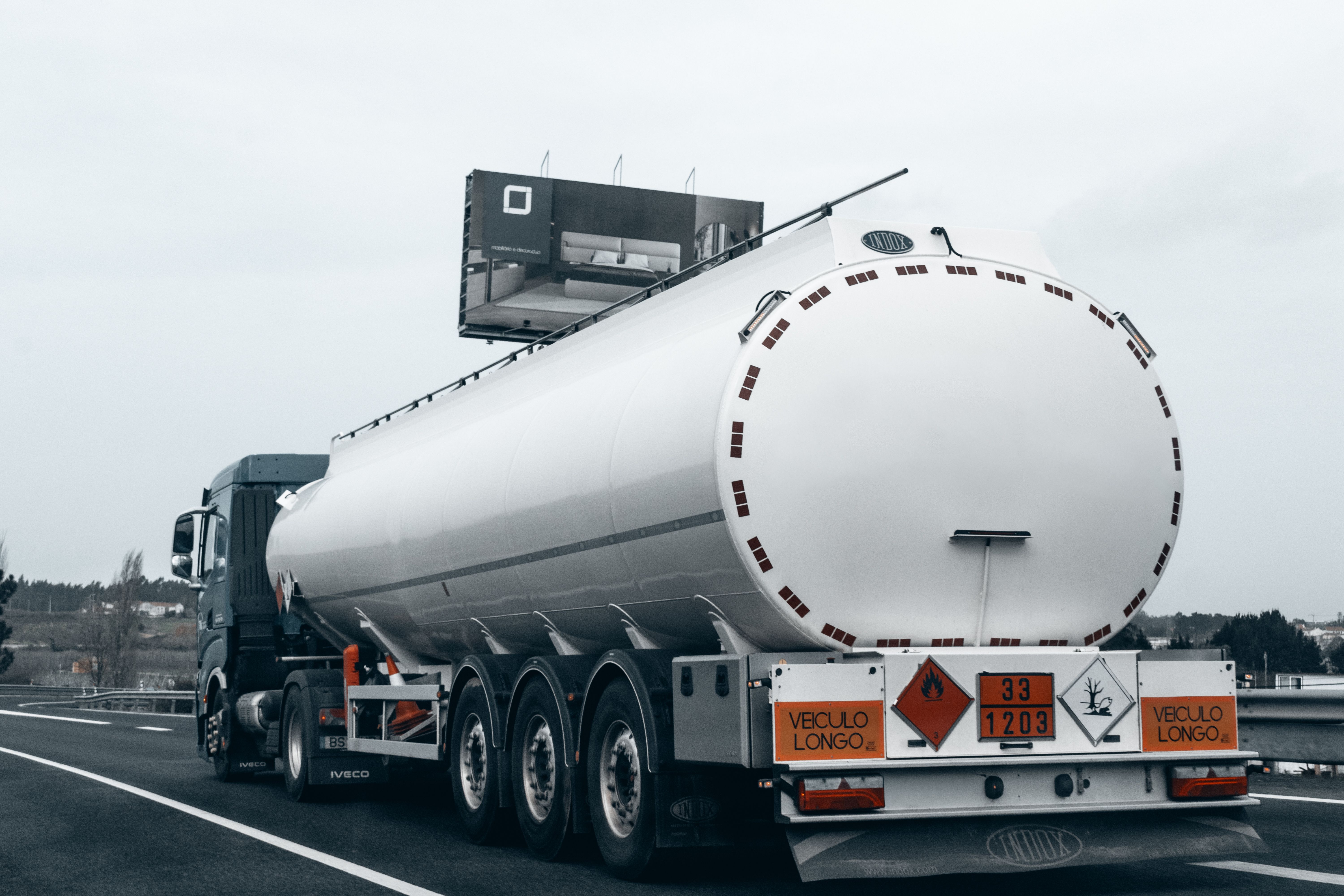
Fuel-intensive sectors tend to notice the change quickly. These include trucking, aviation, shipping, farming, construction, waste collection, field services, and businesses that operate large vehicle fleets. A company that uses little fuel may still be affected if its suppliers or delivery partners rely heavily on it.
Higher fuel costs can alter business decisions. A delivery operator may consolidate routes. A manufacturer may source from a nearer supplier. A service company may schedule more appointments per trip. A retailer may adjust delivery thresholds or warehouse locations. These are operational responses, but they can also change customer convenience, delivery speed, and the geography of commerce.
Why prices spread through the supply chain
Fuel is a classic example of an intermediate input: something used to produce or move something else. A farm may use diesel for machinery; a food processor may receive ingredients by truck; a wholesaler may move finished goods to a distribution centre; and a final-mile carrier may deliver them to a home. Each stage can face a higher transport bill.
Not every fuel-cost increase is passed on in full. A business might improve route planning, reduce empty journeys, renegotiate a contract, use existing inventory, or accept a smaller margin. Conversely, a severe or prolonged increase can affect several stages at once, making it harder to offset internally.
This helps explain why consumer prices may respond with a delay. A shipment arranged weeks earlier may have been priced under an old fuel assumption. A supplier may update its prices at the next contract renewal. A retailer may wait until its inventory is replaced. The result is that the pump price can rise today while the wider price effects appear gradually.
Research published by the International Monetary Fund on retail energy prices in 110 countries found that inflation generally responds positively to fuel-price shocks, but that the average effects were modest and transitory. The response varied with factors such as energy intensity, wage flexibility, and monetary-policy credibility. In practical terms, a fuel shock matters, but its final economic footprint depends on how exposed the economy is and how people and firms adapt.
Food and transport are especially important channels. Fuel is used directly in transport, but transport is also required to move food, packaging, building materials, medical supplies, and retail goods. This is why the same price increase can affect both a household’s travel budget and the price of goods purchased by that household.
Fuel subsidies change the timing, not the underlying economics
Governments sometimes reduce, delay, or target the pass-through from international fuel prices to domestic pump prices. This can protect households and businesses from an immediate shock, but it does not remove the underlying cost of supplying fuel. The cost may instead appear in public finances, reduced tax receipts, or a later adjustment in regulated prices.
The design of a subsidy matters. A broad subsidy may lower the price for many users, including people who consume large amounts of fuel. A targeted measure may concentrate support on households or sectors considered more exposed. Each approach involves trade-offs involving administration, affordability, public budgets, and incentives to reduce fuel use.
For additional economic context on how fuel subsidies and price changes can be handled in practice, readers can review additional economic context from a regional economics report.
What consumers and businesses can do
Consumers benefit most from measuring fuel use rather than reacting only to the headline pump price. Useful steps may include combining journeys, comparing the total cost of commuting options, maintaining tyre pressure, reducing unnecessary idling, and considering fuel economy when replacing a vehicle. These measures will not remove every cost, and some require an upfront expense, but they can reduce exposure over time.
Businesses should start with visibility. A fleet owner can track fuel cost per kilometre, per delivery, or per completed job rather than looking only at the monthly fuel bill. That makes it easier to identify inefficient routes, underused vehicles, excessive empty mileage, and contracts that no longer reflect operating conditions.

Other options include route consolidation, preventive maintenance, vehicle-right-sizing, delivery windows that allow better scheduling, and contracts that explain how fuel-related charges are calculated. Transparent pricing helps customers understand whether a surcharge is temporary, linked to a published index, or part of a broader contract change.
Businesses should also distinguish between a short-lived price spike and a structural shift. A temporary increase may call for tighter cash-flow monitoring. A persistent increase may justify investment in more efficient vehicles, alternative transport, local sourcing, or redesigned distribution networks. The right response depends on the company’s capital, geography, customer commitments, and access to alternatives.
The wider lesson
Rising fuel costs matter because fuel sits at the intersection of personal mobility and commercial activity. Consumers feel the direct cost of filling a vehicle, while businesses face a broader calculation involving transport, production, staffing, inventory, pricing, and demand.
The most useful way to understand a fuel increase is not to ask only how much more a tank costs. Ask which journeys are essential, which supply-chain stages use fuel, how quickly contracts can adjust, and whether households or firms have realistic alternatives. That approach turns a volatile headline into a clearer map of where the pressure will appear and which decisions can reduce it.