
Keeping accurate financial records is one of the least exciting parts of running a small business, yet it is also one of the most important parts, especially once tax season or a funding application comes around.
Good records make tax time considerably easier, support better day-to-day decision-making, and can save a business owner a great deal of stress if the tax office ever comes asking questions later on.


Income and Expense Records
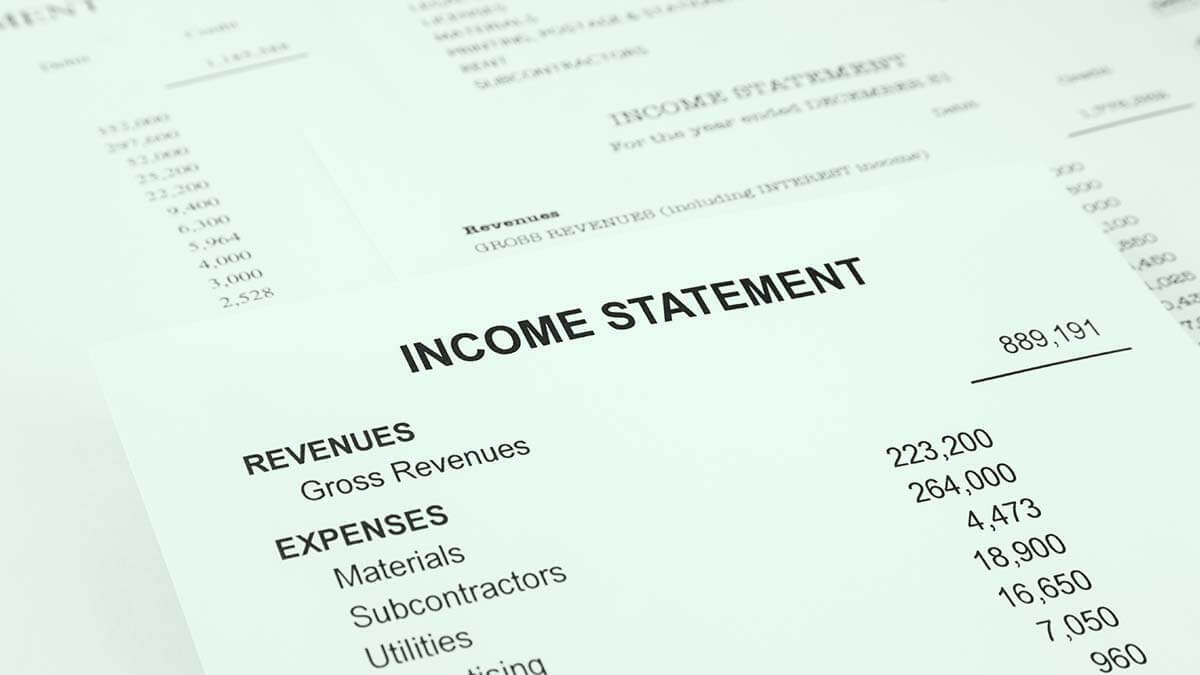
Every sale, invoice, and receipt should be recorded as it happens, rather than reconstructed weeks later from memory or a pile of paperwork sitting in a drawer. This includes cash sales, online payments, and any income from side services the business may offer alongside its main line of work.
If you’re in Queensland, Australia, then you may want to learn more about the possibility to outsource bookkeeping through a Sunshine Coast based provider, since keeping on top of daily income and expense records can quickly become time-consuming as a business grows and transactions become harder to track manually. Outsourcing this task to a local specialist can free up several hours each week for running the actual business, rather than chasing receipts.
Payroll and Employee Records

Any business with staff needs to keep detailed and up-to-date payroll records, including hours worked, wages paid, leave entitlements, and superannuation contributions made on each employee’s behalf. These records typically need to be retained for several years and must be accurate enough to withstand a payroll audit at any point in time.
Contractor payments deserve the same level of care, since misclassifying a worker or missing a payment record can create compliance problems well after the fact, sometimes long after the working relationship itself has already ended and the details are harder to reconstruct. Keeping signed agreements alongside payment records can also help clarify the nature of the relationship if it is ever questioned.
Tax and Compliance Records

Business Activity Statements, GST records, and annual tax return documentation all need to be kept organised and easily accessible, ideally for at least five years in most jurisdictions, in case they are ever requested by an auditor or the tax office. This includes bank statements, asset registers, and records supporting any deductions claimed throughout the year.
Digital accounting software has made much of this easier, storing receipts and bank feeds automatically rather than relying on paper folders, but the underlying discipline of recording things accurately and promptly still matters just as much as the tools being used to do it, if not more so as a business grows.
Conclusion
Strong financial records are not just a legal requirement to satisfy the tax office. They give a small business owner a clear, honest picture of how the business is actually performing at any given moment.
Whether records are kept in-house or handled by an outside bookkeeper, the goal is the same: accurate, up-to-date information that supports good decisions rather than last-minute scrambling when a deadline or an audit unexpectedly arrives.