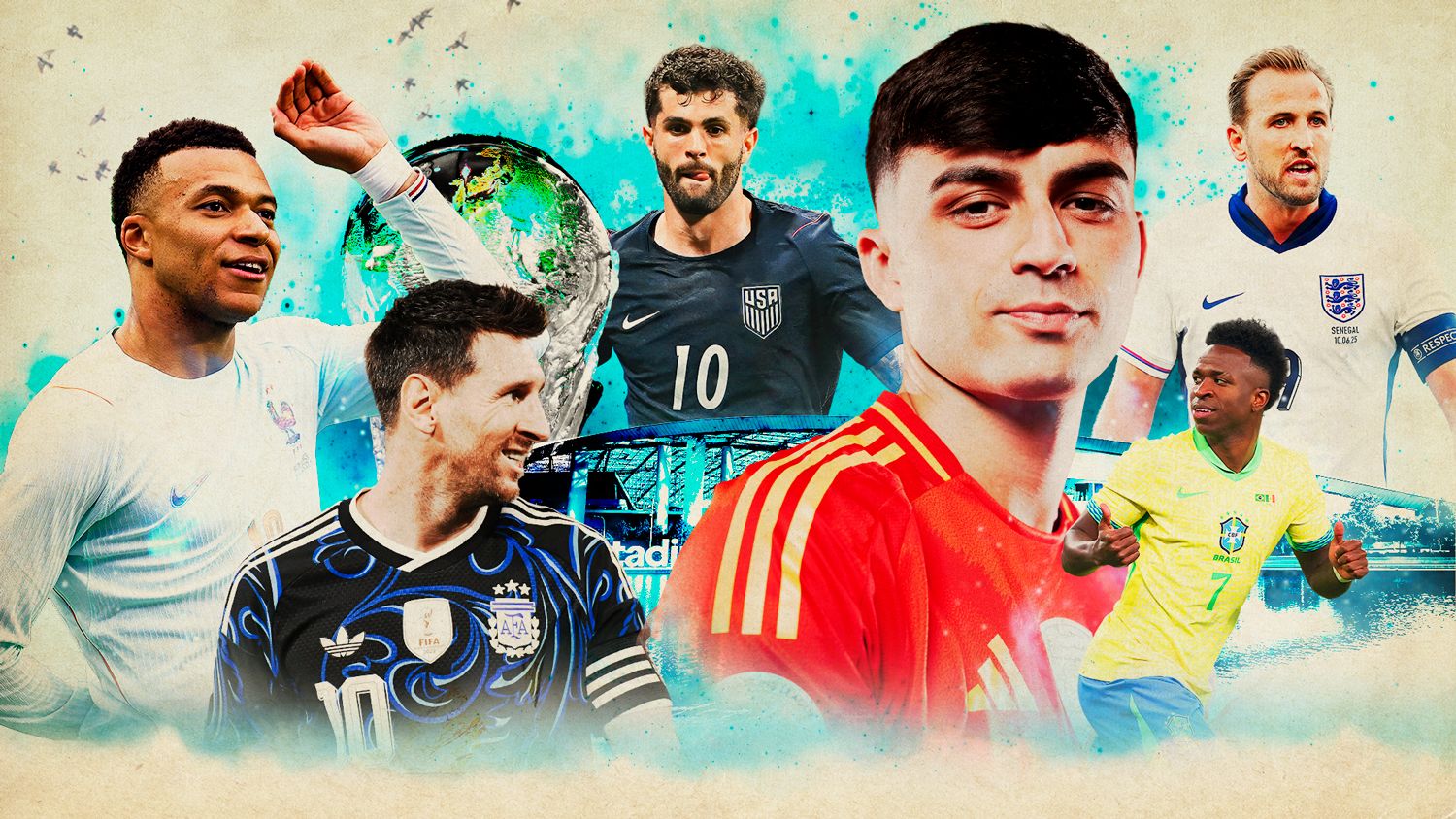
The 2026 FIFA World Cup already feels different. Bigger format, more matches, and more pressure on the traditional giants to prove they still belong at the top. A lot can change before kickoff, but a few national teams already look built for deep tournament runs. Squad depth matters more than ever in a packed competition, especially with the heat, travel, and expanded schedule becoming serious factors.
Some countries arrive with experienced cores. Others have a new generation peaking at the perfect time. That combination makes this tournament one of the hardest World Cups to predict in years.


Spain and France look the most complete
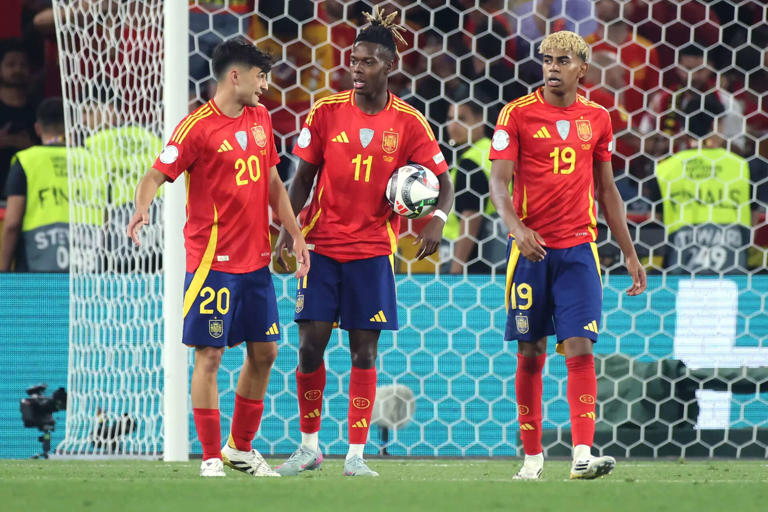
Right now, Spain feels like the most balanced side entering the tournament. The midfield controls games naturally, the attack is fearless, and the younger players do not seem intimidated by big moments. Lamine Yamal, Pedri, and Nico Williams give Spain energy that few teams can match. Recent projections and rankings continue placing Spain among the strongest favorites.
France is right beside them. Kylian Mbappé still changes games faster than almost anyone in football, but what really makes France dangerous is depth. They can survive injuries better than most nations.
If you enjoy following major football tournaments while adding extra excitement through live betting, platforms like ap33 have become increasingly popular among fans in Southeast Asia. This platform covers sports betting, esports, live casino games, slots, lotteries, and in play betting with live streaming support.
New users can also claim the AP33 150% Welcome Bonus, while regular members get cashback offers, tournaments, referral rewards, and VIP perks with higher withdrawal limits and personalized support.
Current favorites before the tournament
| Team | Biggest Strength | Main Concern |
| Spain | Midfield control and creativity | Young squad handling pressure |
| France | Depth and athleticism | Defensive consistency |
| Argentina | Tournament experience | Aging core players |
| England | Attack quality | Mental consistency |
That top four feels stronger than the rest right now, although tournament football rarely follows predictions perfectly.
Argentina and England remain serious threats
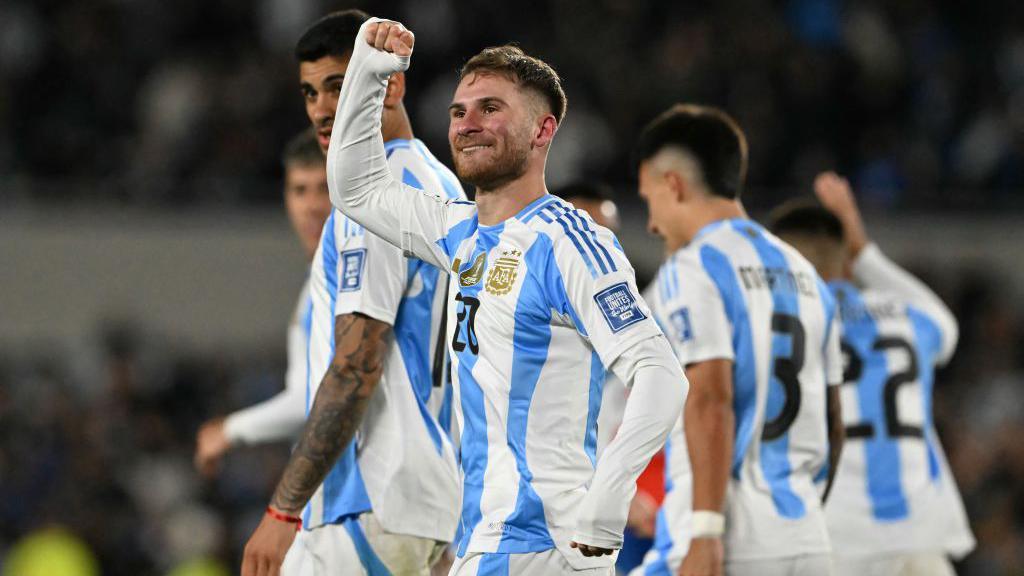
Argentina cannot be ignored as defending champions. Lionel Messi may not dominate physically the way he once did, but tournament football rewards intelligence and chemistry more than raw energy. Argentina still has both. Their midfield remains aggressive, organized, and emotionally resilient. Most rankings still place them near the top contenders.
England sits in a strange position again. Talent has never been the problem. Jude Bellingham, Bukayo Saka, Phil Foden, and Harry Kane can overwhelm almost any defense on their day. The real issue is handling pressure when matches become tense.
No nation has repeated as World Cup champion since Brazil in 1962. Argentina faces a difficult historical challenge despite remaining one of the strongest teams entering 2026.
England supporters have heard “this could be the year” many times before. Still, the squad genuinely looks mature enough to compete with anyone.
Brazil and Portugal could become dangerous outsiders
Calling Brazil an outsider sounds strange, but expectations around the team feel lower than usual. Oddly enough, that may help them. Vinícius Júnior brings unpredictability, the squad is technically strong, and Brazil often becomes more dangerous when the pressure shifts toward Europe’s favorites.
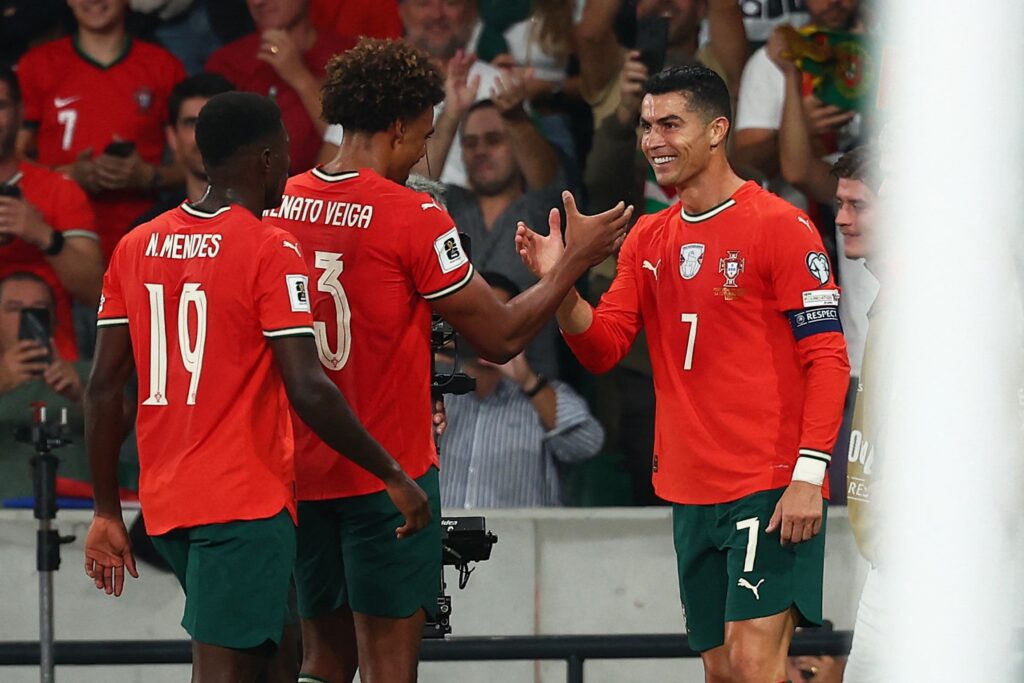
Portugal is another fascinating case. Cristiano Ronaldo’s role will dominate headlines, but Portugal is no longer built around only one player. Vitinha, Bruno Fernandes, Rafael Leão, and João Neves have transformed this squad into a more modern and balanced team.
A few dark horses also deserve attention:
- Morocco continues improving after its historic 2022 run
- Colombia matches up well physically in North American conditions
- Germany finally looks more stable again
- Japan remains one of the smartest tactical teams in the tournament
Did you know? FIFA expanded the 2026 World Cup to 48 teams with 104 total matches, making squad rotation and depth more important than ever before.
Why this World Cup feels harder to predict
Several recent tournaments had obvious favorites. This one does not. Spain may currently lead many rankings, but the gap between elite teams feels smaller than usual. Climate conditions, long travel distances, and fixture congestion could change entire knockout rounds unexpectedly.
Tournament football also rewards momentum. A team entering the knockout stage healthy and confident can suddenly become unstoppable. That is why countries like Portugal, Colombia, or even Morocco should not be underestimated.
The biggest difference heading into 2026 is balance. Multiple teams have elite attackers. Multiple teams have strong midfields. Very few squads look flawless.
That uncertainty is exactly why this World Cup already feels exciting months before it begins.