
Modern electrical systems are becoming increasingly complex as industries, utilities, and commercial facilities depend on reliable power distribution. From manufacturing plants and data centres to renewable energy projects and utility networks, electrical infrastructure must operate safely and efficiently under varying load conditions.
Without proper assessment, electrical networks may experience performance issues, equipment failures, voltage instability, or unexpected outages. This is why power systems analysis plays a critical role in helping engineers evaluate network performance and identify potential risks before they affect operations.


Why Electrical Network Assessment Is Important
Engineers seeking power systems analysis (Click here) information should understand that network assessment helps evaluate how electrical systems perform under normal operating conditions as well as during faults, load changes, and equipment failures.
These studies provide valuable insight into voltage levels, power flow, short circuit behaviour, and overall system reliability. By understanding how electricity moves through a network, engineers can make informed decisions regarding upgrades, maintenance, and future expansion projects.
Proper assessment also helps ensure compliance with technical standards while supporting safe and efficient operation of electrical infrastructure.
Common Types Of Power System Studies
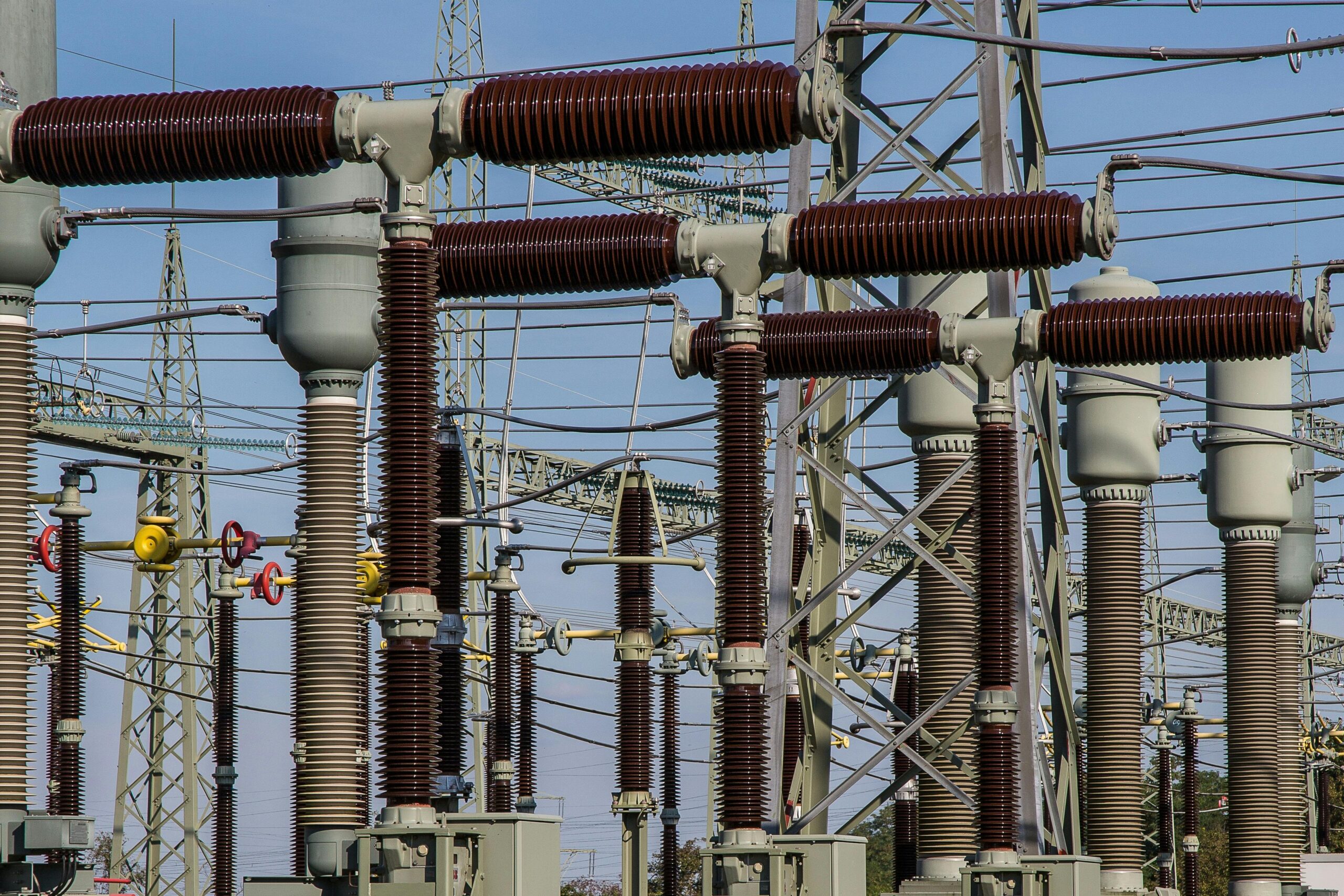
Several analytical methods are used to assess electrical networks. Load flow studies help determine how power is distributed throughout a system and identify areas where voltage or capacity issues may occur.
Short circuit analysis evaluates fault conditions and helps engineers select appropriate protection equipment capable of handling potential electrical faults safely. Coordination studies ensure that protective devices operate correctly to minimize disruption when faults occur.
Additional assessments may include arc flash studies, harmonic analysis, stability evaluations, and contingency planning for critical infrastructure projects.
Benefits Of Regular Electrical System Evaluation
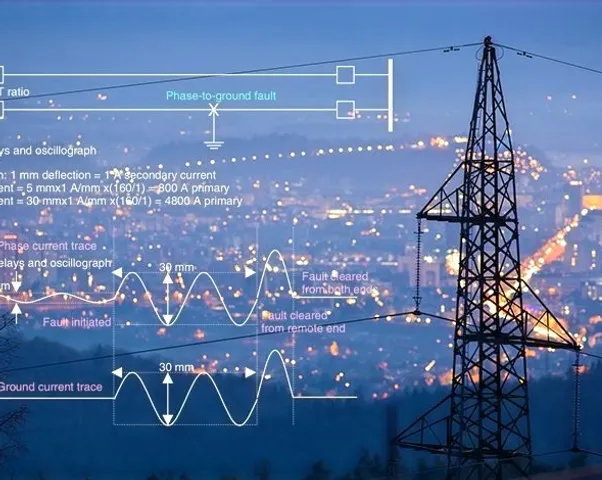
Routine power system assessments can help organisations reduce operational risks, improve reliability, and support long-term planning. Identifying weaknesses early allows engineers to address issues before they result in costly failures or downtime.
As electrical demand increases and new technologies are integrated into networks, ongoing analysis becomes even more important. Renewable energy systems, battery storage, electric vehicle charging infrastructure, and advanced automation all introduce new considerations that require careful evaluation.
Regular studies also provide valuable data for investment decisions, maintenance planning, and regulatory compliance efforts.
Conclusion
Power systems analysis is an essential tool for maintaining safe, reliable, and efficient electrical networks. Through detailed assessment of power flow, fault conditions, protection systems, and overall network performance, engineers can identify risks and support informed decision-making.
Organisations that invest in regular electrical system evaluations are better positioned to improve reliability, reduce downtime, and prepare for future energy demands.