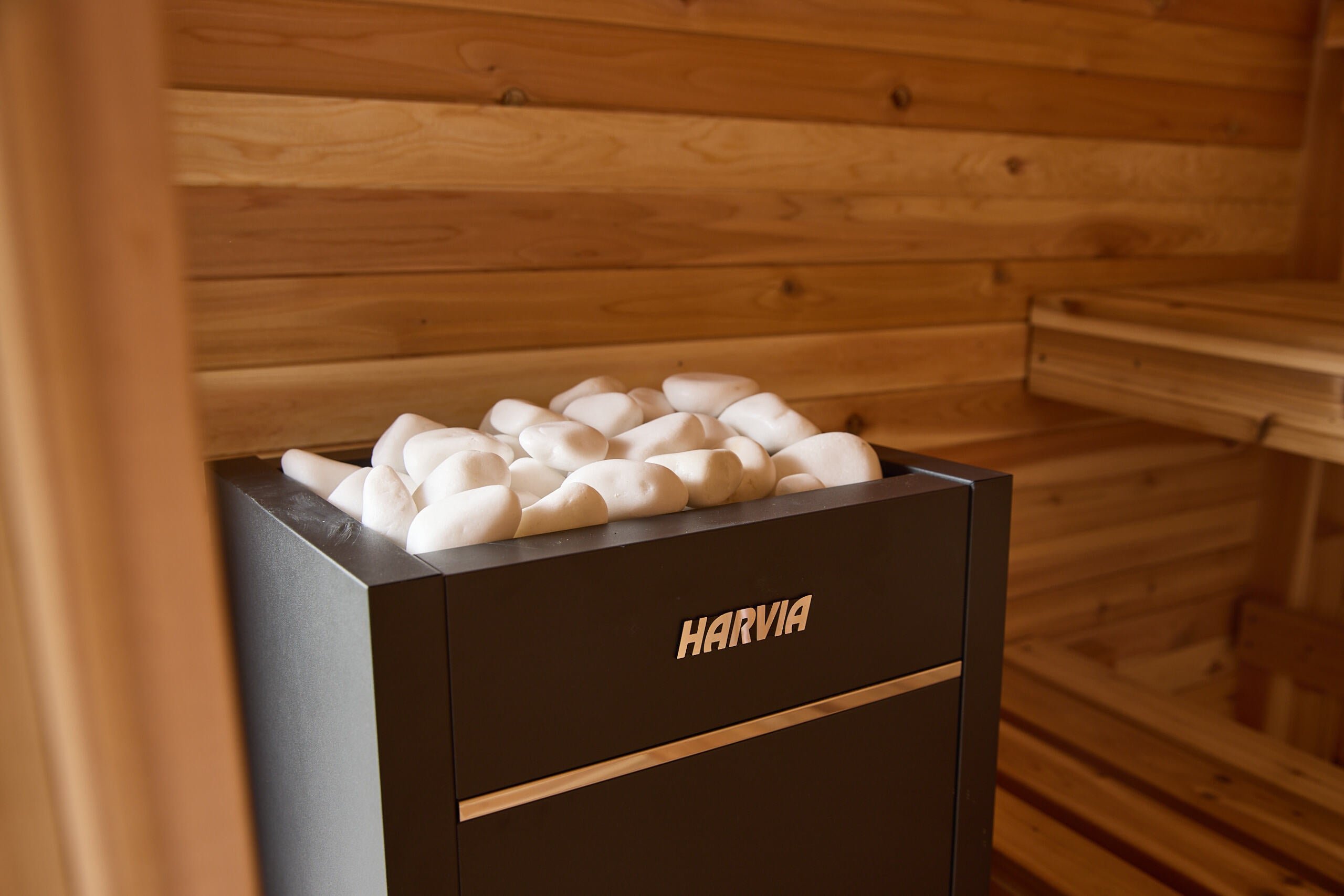
Installing a sauna can be an excellent way to create a relaxing wellness space at home, in a gym, hotel, spa, or commercial facility. However, the performance of any sauna depends heavily on the heater selected. Choosing the right model involves more than simply comparing prices. Factors such as room size, power requirements, heating efficiency, and intended usage all play an important role.
A properly sized and well-designed sauna heater can provide consistent temperatures, lower operating costs, and a better overall sauna experience. Taking time to evaluate your options before purchasing can help ensure long-term satisfaction.


Understanding Your Heating Requirements
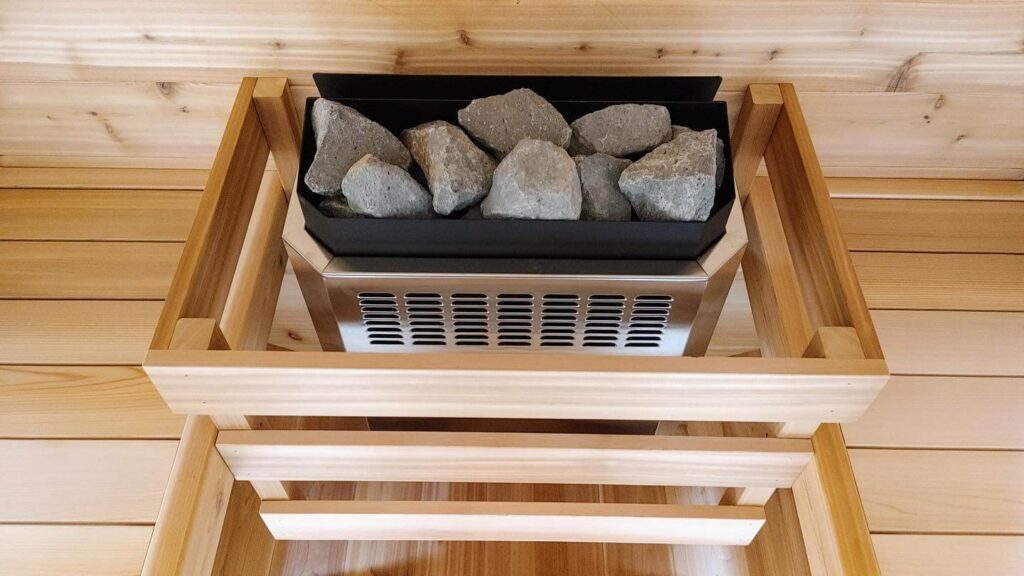
People looking to find out how to buy sauna heater solutions should begin by calculating the size of the sauna room. Heater capacity must match the volume of the space to ensure efficient and consistent heating.
A heater that is too small may struggle to reach the desired temperature, while an oversized unit can consume unnecessary energy and increase operating costs. Manufacturers typically provide recommendations regarding the room sizes their heaters are designed to support.
The type of sauna also matters. Traditional dry saunas, steam-style saunas, and commercial wellness facilities may have different heating requirements and performance expectations.
Electric, Wood Burning, And Commercial Options
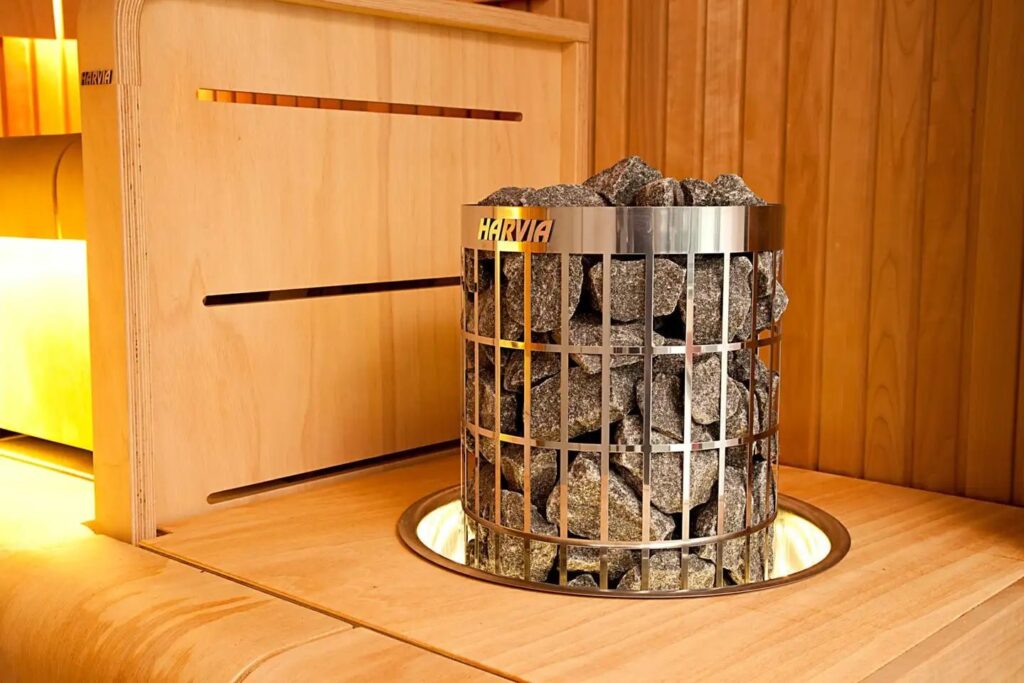
Electric sauna heaters are among the most popular choices because they are easy to operate, provide reliable temperature control, and require relatively little maintenance. They are commonly used in homes, gyms, and wellness centres.
Wood-burning heaters offer a more traditional sauna experience and are often preferred in outdoor or remote locations where electrical connections may be limited. However, they require more maintenance and ongoing fuel management.
Commercial facilities typically need higher-capacity systems capable of handling extended operating hours and frequent use. These installations often require professional design and electrical planning.
Safety, Efficiency, And Long-Term Value
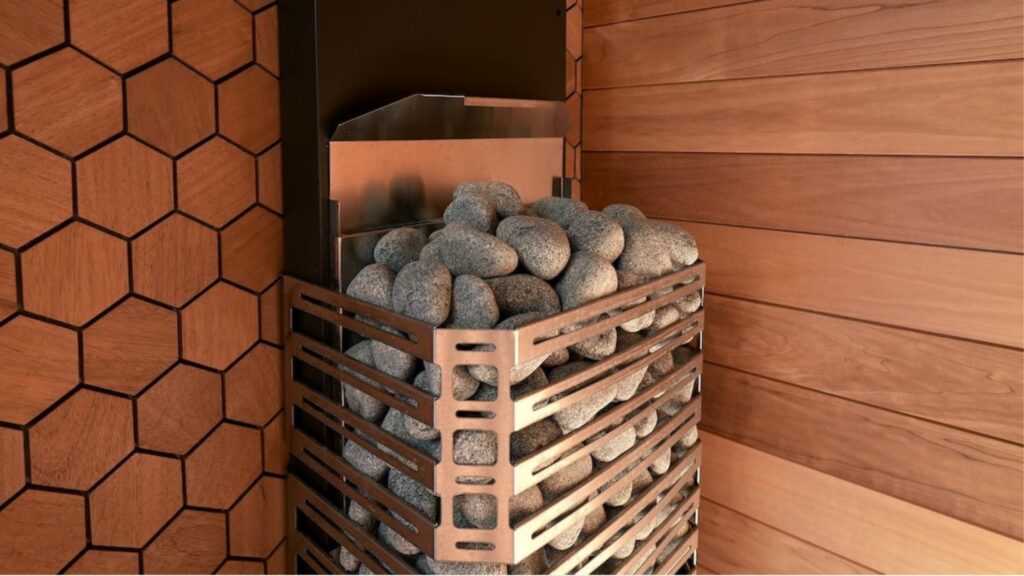
Safety should always be a priority when selecting a sauna heater. Buyers should look for models that meet relevant safety standards and include features such as overheating protection, reliable controls, and durable construction.
Energy efficiency can also affect long-term operating costs. Modern heaters often include advanced controls that help optimise performance while reducing unnecessary energy consumption.
Warranty coverage, availability of replacement parts, and local service support are additional factors worth considering. A quality heater may cost more initially but often provides better reliability and lower maintenance expenses over time.
Conclusion
Choosing the right sauna heater requires careful consideration of room size, heating capacity, energy efficiency, safety features, and intended usage. Whether installing a home sauna or planning a commercial wellness facility, selecting the appropriate heater can significantly improve performance and user experience. By evaluating requirements carefully and investing in a quality system, buyers can enjoy reliable heating and long-term value from their sauna installation.